
The Beginner's Guide to Finding Your Perfect Vibrator
With hundreds of options on the market, choosing your first vibrator can feel overwhelming. We break it down into five simple questions.
Buying your first vibrator should be exciting. The category has expanded dramatically over the past decade — where there was once a narrow shelf of options in novelty packaging, there is now an entire universe of shapes, motors, materials, clever technology and capable features. This breadth is genuinely wonderful if you know what you're looking for. If you don't, it can be overwhelming. This guide reduces the decision to five practical questions and gives you a clear framework for finding something that will actually work for you.
Question 1 — Where do you want stimulation?
This is the most important question, and the one most people skip in favour of browsing aesthetics. External stimulation — focused on the clitoris and surrounding area — accounts for the vast majority of orgasms across all research on the subject. The clitoris is much larger than most people realise: the visible external part is connected to internal structures that extend several centimetres into the body. A compact, precise external vibrator is the highest-probability starting point for someone unsure where to begin. Internal vibrators suit those who know they enjoy penetration and internal sensation. Dual-stimulation toys attempt both simultaneously.

Our pick
LELO
LELO Smart Wand 2 Large
Question 2 — Focused or diffuse sensation?
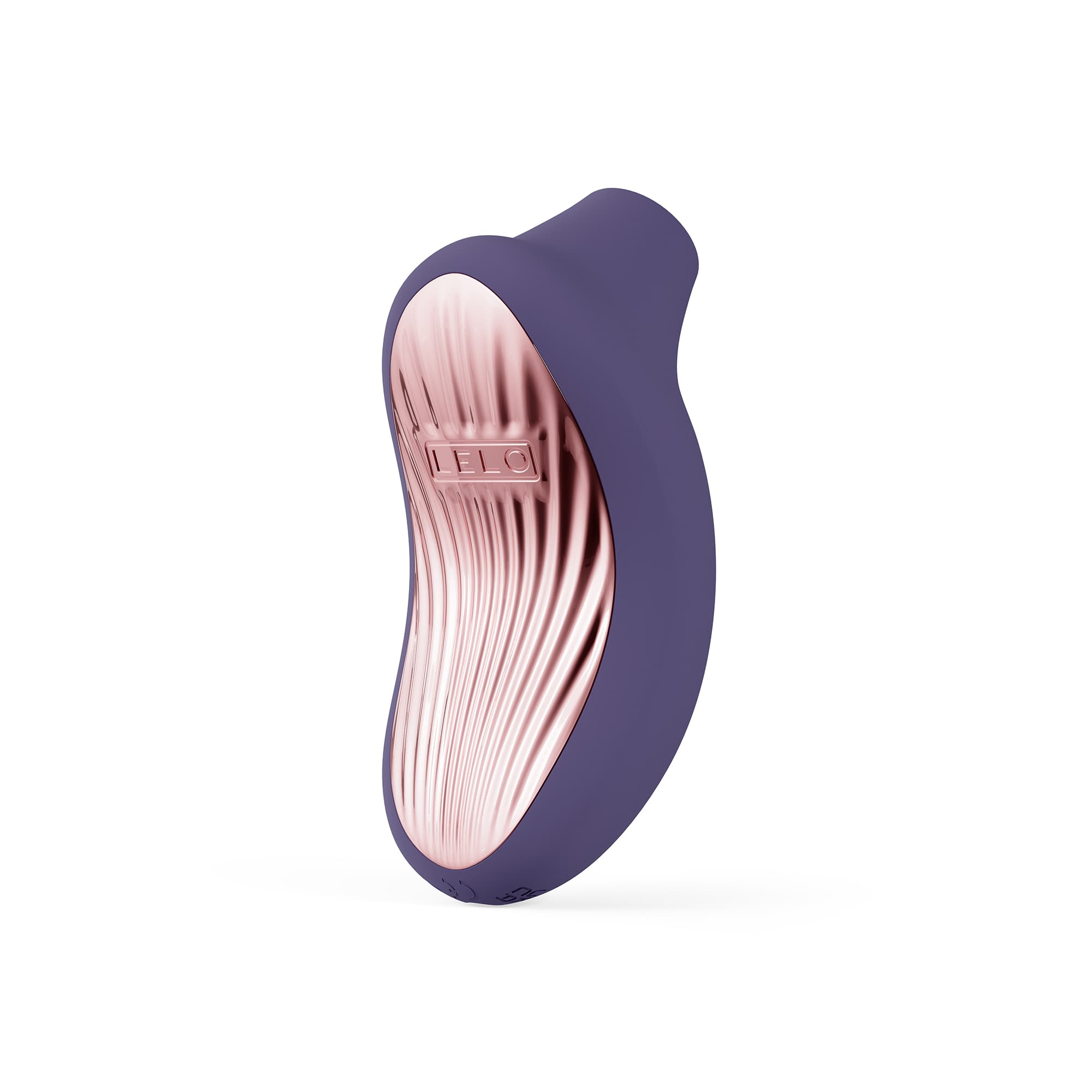
For external stimulation, there are two broad approaches. Pointed tips deliver precise, targeted sensation — ideal if you know you prefer direct stimulation and want control over exactly where. Broader heads deliver diffuse stimulation across a wider area — often more comfortable for people who find intense direct stimulation overwhelming, particularly at the start of a session. Sonic and pressure-wave toys (like LELO's Sona range) take a third approach: instead of vibrating against the skin, they create pressure pulses around the clitoris without direct contact, which many people find produces more intense and less desensitising sensation over repeated use.
Our pick
LELO
LELO Sona 3 Clitoral Massager
Question 3 — How discreet does it need to be?
Noise is a real practical consideration for many people and isn't discussed enough in buying guides. Budget toys tend to be significantly louder than premium ones — motor quality is the key variable. A toy described as whisper-quiet from a reputable brand will be meaningfully quieter than a generic toy at the same power level. If noise is a concern, prioritise this in your research: read reviews specifically for noise commentary rather than relying on manufacturer descriptions alone, and look for a travel lock function so the toy cannot accidentally activate.
Question 4 — What's your budget?
Think of a vibrator the way you think about a serious piece of kitchen equipment, a good coat, or a well-made pair of shoes — something you'll reach for regularly for years, and something where the quality difference between the bottom and top of the market is immediately, physically apparent.
Below £60, the compromises are real: porous materials that can't be properly sterilised, motors that are loud relative to their power output, and build quality that won't survive a year of regular use. It's the difference between a knife that dulls after three uses and one that stays sharp.
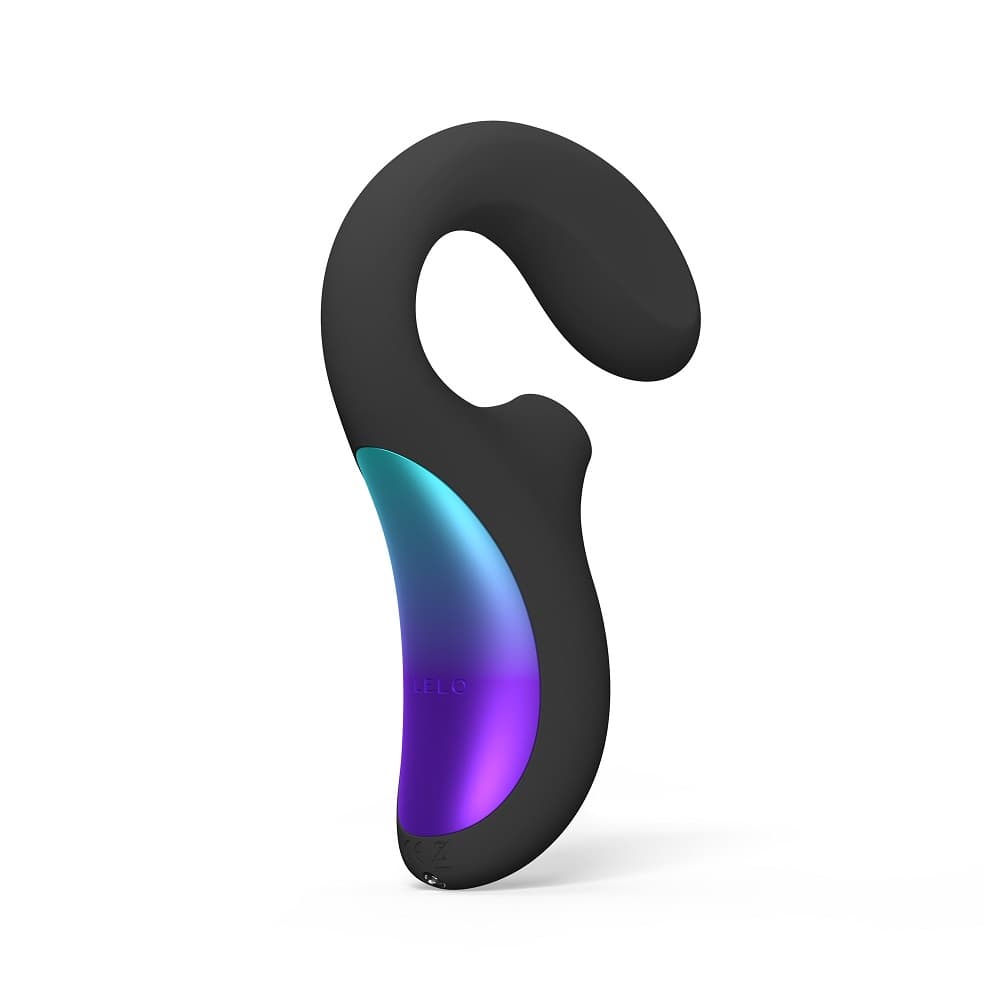
From £60 upward, you're in the range where body-safe silicone, USB charging, and genuinely waterproof construction are standard. But the more interesting question is what happens above that baseline. At £150 and above, you're paying for engineering that takes years to develop: multiple motors tuned for a specific impact, sonic technology that stimulates through surface contact rather than mechanical vibration, dual-stimulation designs built around the actual anatomy rather than a generic shape. These aren't cosmetic differences. They change the experience substantially.
At the top of our range — products like the LELO Enigma Wave or the We-Vibe Chorus — you're buying something that took years to refine. The price reflects that. It also reflects longevity: a £220 product used several times a week for five years costs less per use than a £40 product replaced annually.
The question isn't whether premium toys are worth the money. The question is what you think your pleasure is worth.
Our pick
LELO
LELO Enigma Wave Dual Stimulation Sonic Massager Black
Question 5 — What are the materials?
Body-safe materials are non-negotiable. The genitals and vaginal walls are highly absorbent tissues — what they come into contact with matters more here than almost anywhere else on the body. The only materials you should accept are: 100% body-safe silicone, ABS plastic, glass, and stainless steel. Avoid anything described as rubber, jelly, latex (unless used with a condom), CyberSkin, or any unspecified silicone blend. These materials are often porous, could be harbouring bacteria, and may contain chemical compounds that cause irritation. If the material is not specified clearly, assume it is not safe.
Practical features worth checking
USB charging: batteries are inconvenient and add ongoing cost. Most good toys now charge via USB-C or magnetic charging. Fully waterproof: allows use in the shower or bath and makes cleaning straightforward. A travel lock: prevents accidental activation. Multiple intensity settings: at minimum, you want a genuine range from gentle to strong. Patterns are a nice addition rather than a necessity — most people settle on two or three settings and use those consistently. A brand warranty: We offer a one-year guarantee, which tells you something about our confidence in brand and build quality.
What to avoid
Avoid anything sold primarily on novelty shape rather than quality construction; anything without clearly stated materials; anything from a brand with no traceable company information; and anything unusually cheap. Also worth knowing: more settings does not mean better experience. Twenty vibration patterns sounds impressive; in practice, most people settle quickly on their preferred setting and use it consistently. You are not buying variety — you are buying reliable quality at the settings that work for you.